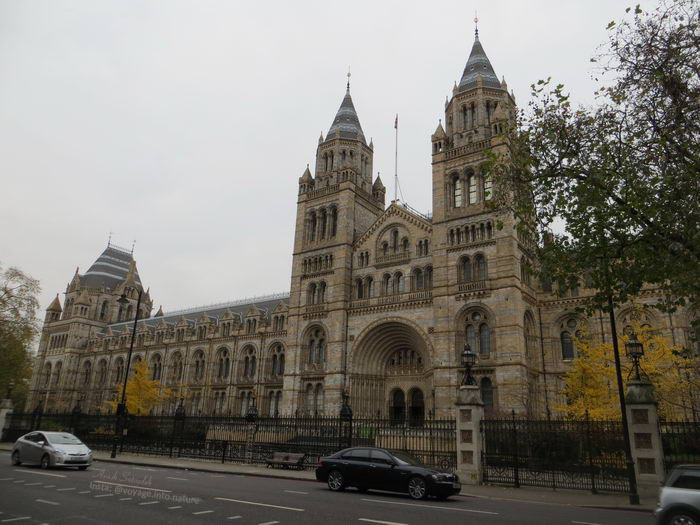
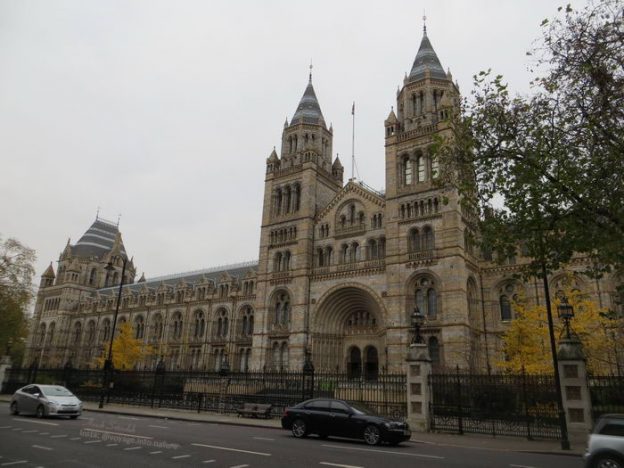
The Natural History Museum in London is one of the major institutions devoted to the study, documentation, and conservation of natural history. Located in South Kensington, it houses extensive scientific collections that are used not only for public exhibitions, but also for research in taxonomy, evolution, ecology, and biodiversity.
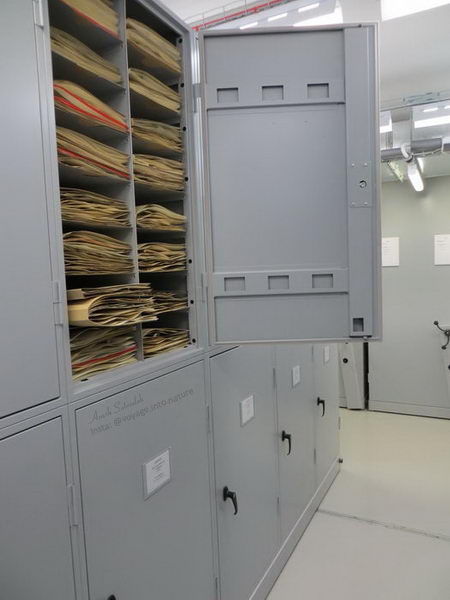
The botanical collections of the museum include several million specimens, covering bryophytes, ferns, seed plants, algae, lichens, and related groups. These historical and modern collections provide an important basis for understanding plant diversity, species distribution, and the long-term changes affecting natural habitats.
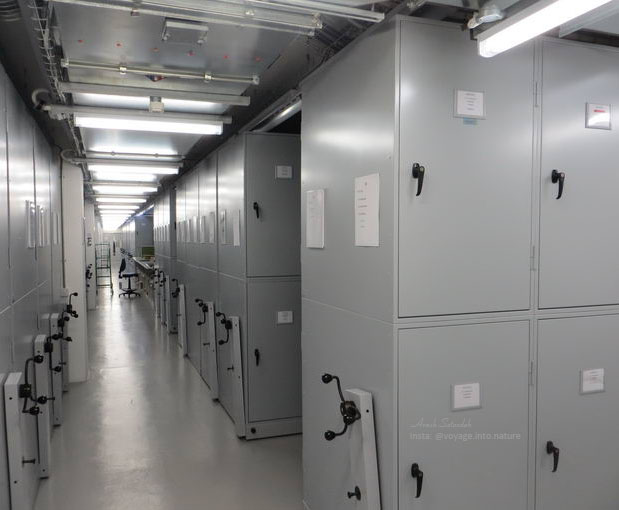
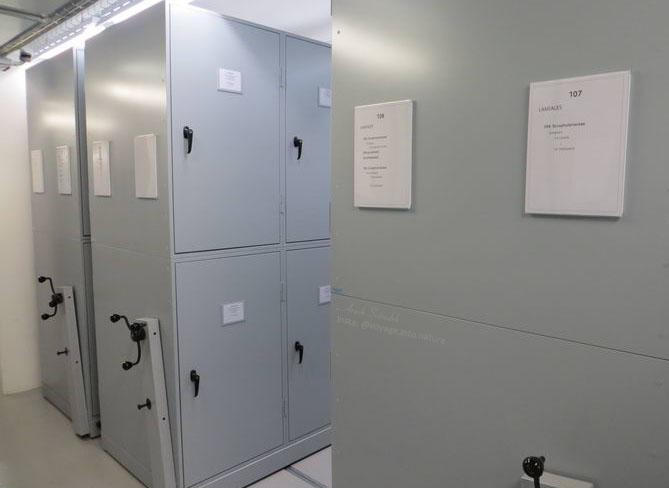
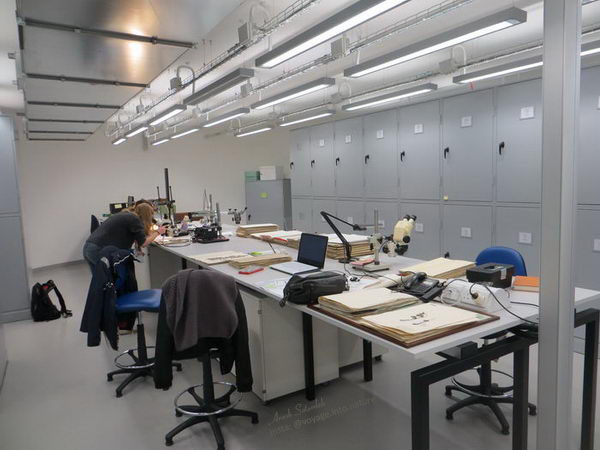
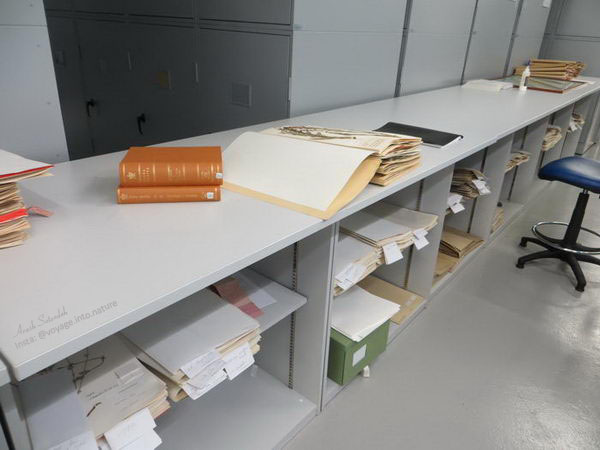
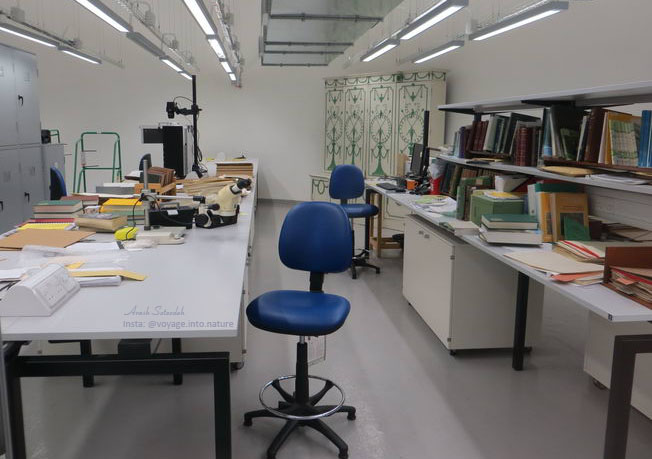
During my visit to the Natural History Museum in November 2013, on the occasion of the Young Systematists’ Forum, I had the opportunity to examine herbarium specimens related to my botanical research. At that time, I presented my work on the molecular phylogeny of Turkish and Iranian Artemisia using ITS and ETS markers.
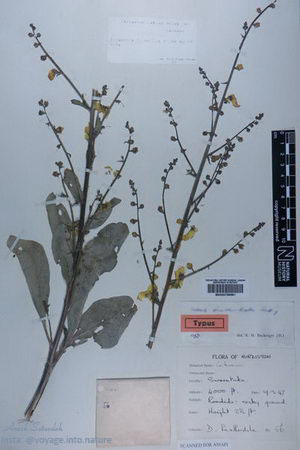
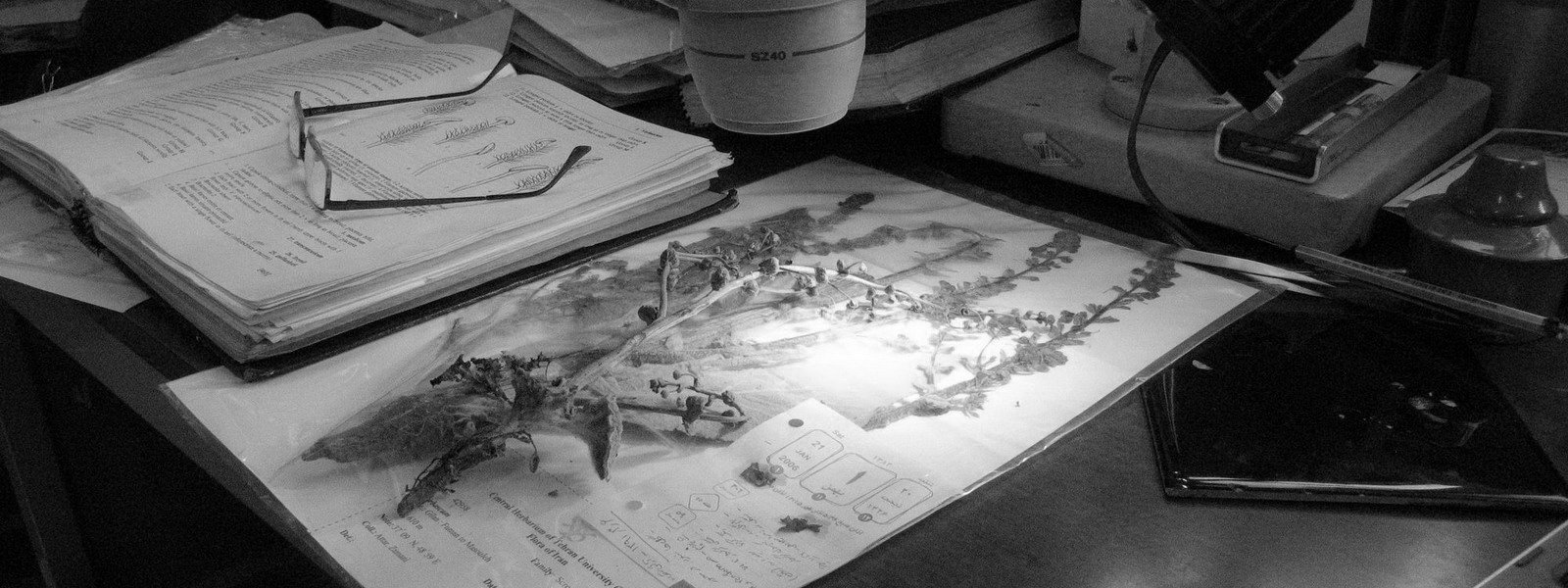
The herbarium also allowed me to study specimens of Verbascum from Turkey, Iran, and other regions. Such collections are particularly valuable in plant systematics, because they make it possible to compare morphology, verify identifications, study historical material, and better understand the geographical range of species.
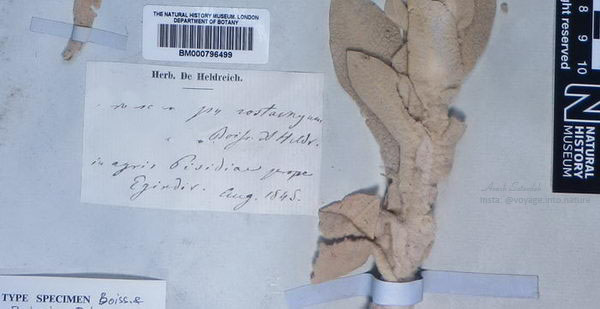
Some specimens preserved in the herbarium date back to the nineteenth century or earlier. Looking at these materials gives a direct connection with the history of botanical exploration. They also show how herbarium collections remain useful long after their collection, especially for taxonomy, nomenclature, biogeography, and conservation studies.
This visit was therefore important both scientifically and personally. It reminded me that herbaria are not only archives of dried plants, but also active research infrastructures. They preserve evidence of plant diversity across time and space, and they continue to support new studies on biodiversity, ecology, evolution, and environmental change.
Arash Sotoodeh
Dijon, 2023